Planning the Honeymoon
When to go, where the weather is on your side, how long to take and how to pay for it — and the paperwork mistake that strands newlyweds at the airport.

The honeymoon is the only part of the wedding planned entirely for the two of you, and the part most often left until last — which is a shame, because the best places fill up in the same seasons as the best venues. Start thinking about it at around the same time you book the wedding.
First, decide what kind of trip
Before you choose a place, agree on the trip. Couples who disagree about honeymoons nearly always disagree about this, not the destination.
- Rest or adventure? A week doing almost nothing on a beach, or a week of cities, walking, food and museums?
- One place or several? Staying in one hotel is restful. Moving every few days is exciting and tiring.
- How far? A long flight straight after a wedding can feel like a punishment. A shorter journey buys back a day at each end.
- How long? A week is the most common; ten days to two weeks gives you time to actually recover from the wedding before you start enjoying the trip.
Go when the weather is on your side
Weather is the thing that most often spoils honeymoons, and it is entirely predictable. A few principles:
The Caribbean has a dry season from roughly December to April and a hurricane season from June through November, peaking in late summer and early autumn. Many honeymoons happen in hurricane season without incident, and prices are lower, but buy insurance that covers weather disruption. The archive’s Caribbean getaways: when to go goes island by island.
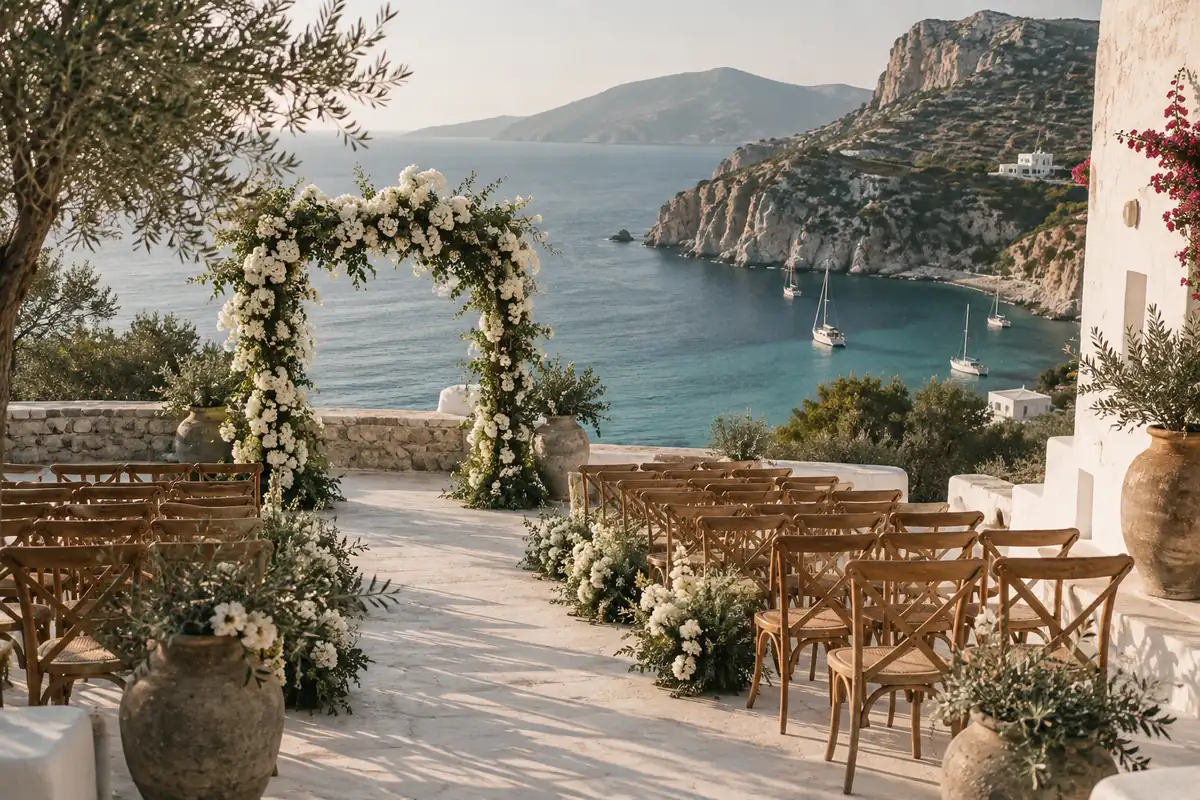
The Mediterranean is at its best in the shoulder seasons — May and June, September and October — when the sea is warm, the crowds have thinned and prices fall. High summer is hot and busy.
The Southern Hemisphere has its summer during the North’s winter, which makes places like South Africa, Australia, New Zealand and much of South America ideal for a winter wedding.
Tropical Asia has monsoon seasons that differ by region, sometimes dramatically within a single country. Check the specific place, not just the country.
Couples who disagree about honeymoons nearly always disagree about the kind of trip, not the destination.
The minimoon
A growing number of couples take two trips: a few days somewhere close and restful straight after the wedding — the minimoon — and the big journey months later, in the right season for the destination and when the thank-you notes are done. It’s worth considering if your wedding falls in the wrong season for the place you most want to go, or if work makes two weeks away immediately impossible.
Paying for it
A honeymoon can be expensive, and it is one of the easier costs to share with guests. A honeymoon fund on your registry — ideally with specific experiences listed, a dinner, a boat trip, a night at a particular hotel — lets guests give something they can picture. The archive’s piece on honeymoon registries covers how they work, and registry and gift etiquette explains how to ask without asking. For ways to save, the archive has tips to make your getaway more affordable.
The paperwork
Book in the names on your passports. This is the mistake that strands newlyweds at airports. Airline tickets must match your identity documents exactly. If you’re changing your name after the wedding, book the honeymoon in your current name and travel on your current passport; change the name when you’re home. The archive’s name-change list covers the rest.
Check passport validity. Many countries require at least six months left on a passport after you arrive.
Check entry requirements — visas, electronic travel authorizations and vaccinations — for every country on the route, including connections.
Buy travel insurance that covers cancellation, medical care and, if you’re going in storm season, weather disruption.
Small things that help
- Tell every hotel and restaurant it’s your honeymoon. It costs nothing and often brings an upgrade, a bottle of something or a better table.
- Leave a day free at the end before you go back to work.
- Pack the night before the wedding, not the morning after.
- Put the wedding rings somewhere safe — or leave them at home and travel with simple bands.
Where to go
That depends entirely on the two of you, and the archive has decades of honeymoon dispatches to start from: ten romantic spots in the Caribbean, a look at how honeymoons have changed, and, if you’re thinking of combining the wedding and the trip, destination weddings: are they for you?
And for an American couple looking for the Caribbean without a passport, there is always Puerto Rico.
Written and edited by the Today’s Weddings editors. How we research and check what we publish is set out in our editorial standards. Spotted something wrong? Tell us.